brands I've worked with



















The short version is on the homepage. This is the longer one.
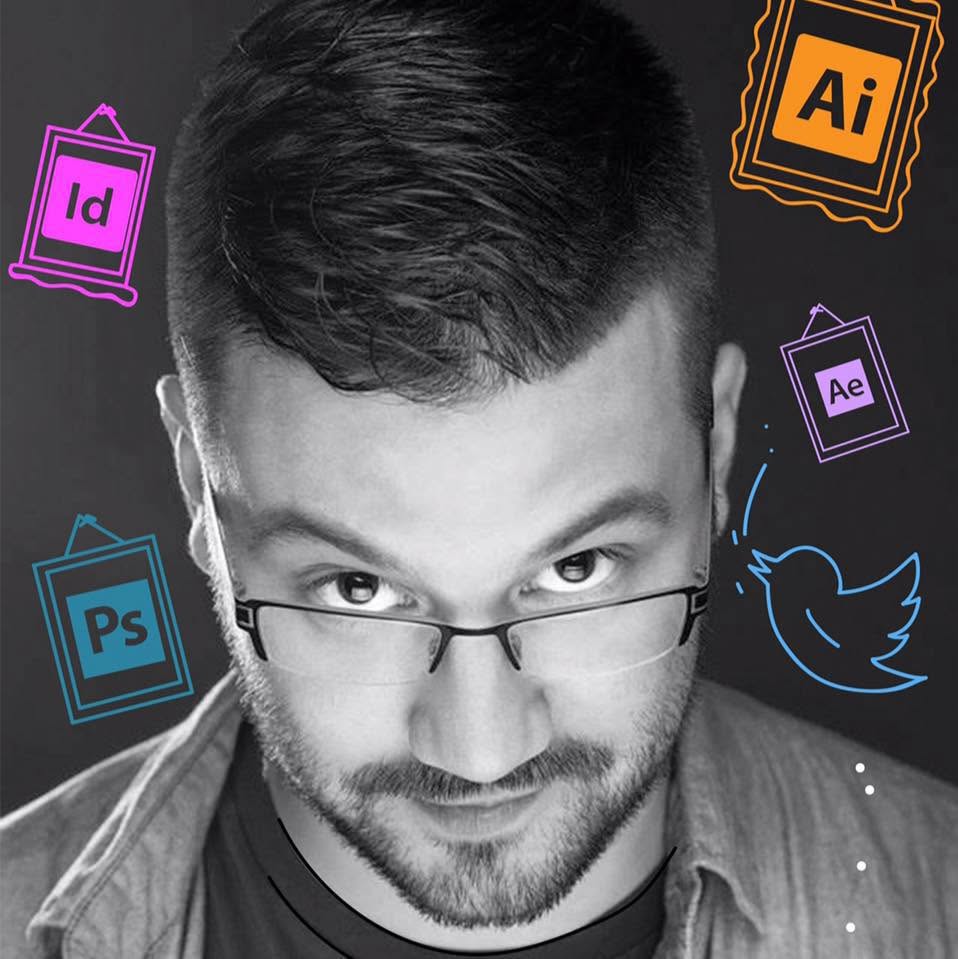

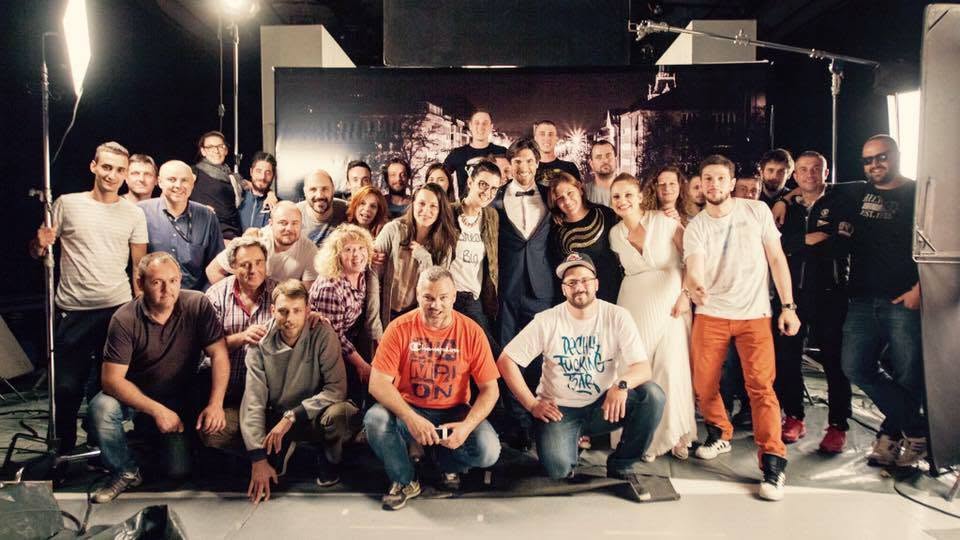

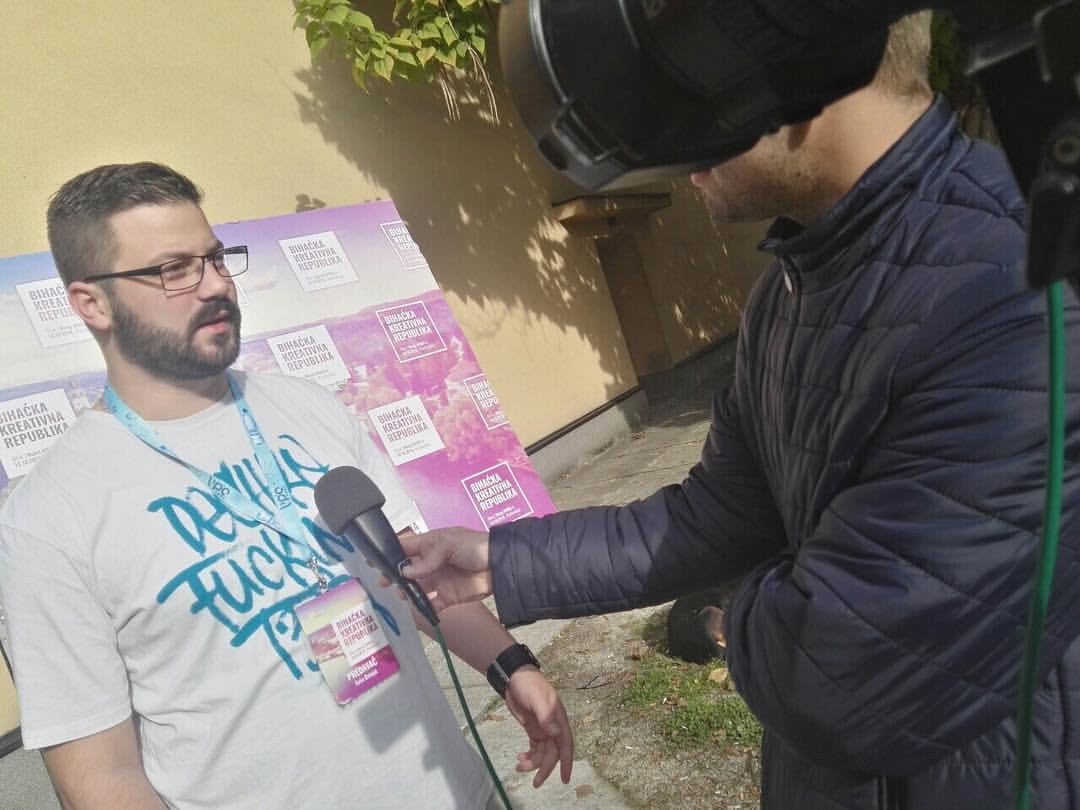

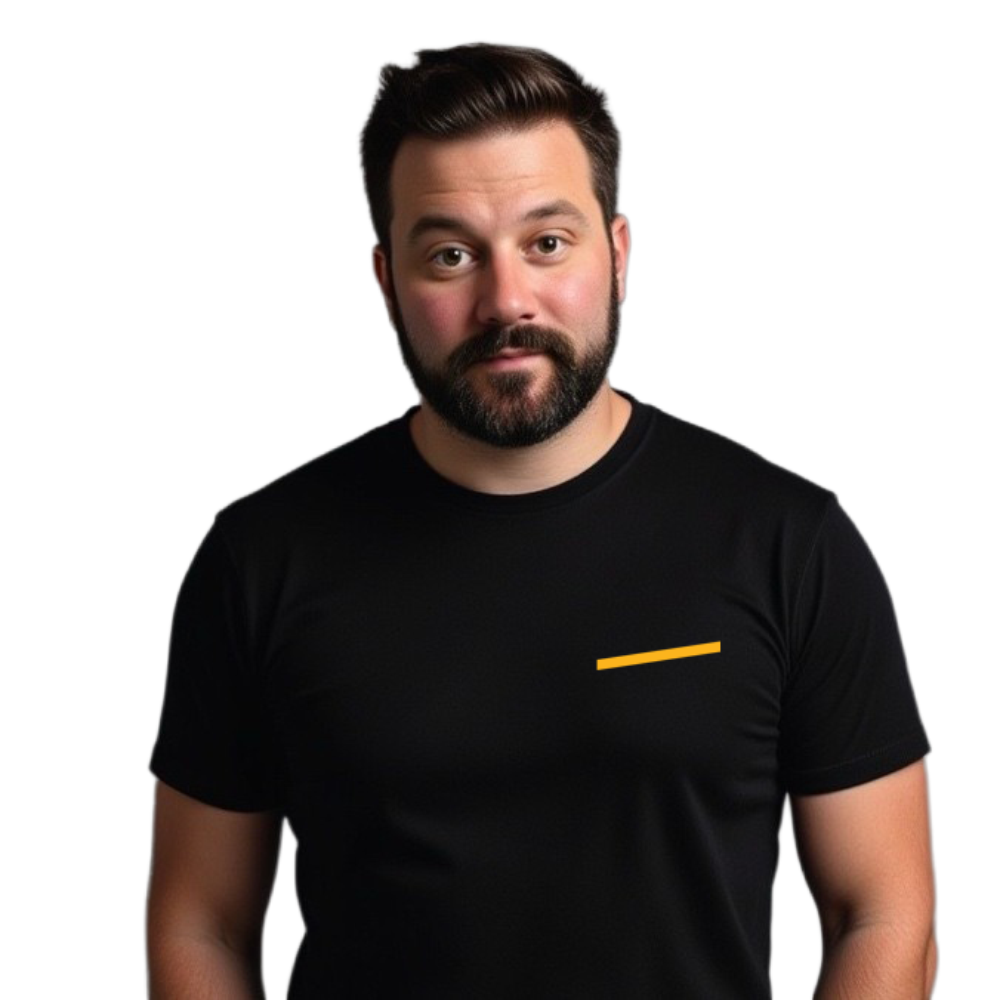
Before I even set foot in a design lecture, I was already working on projects for the UN and a handful of global educational programs. Nobody there cared about my portfolio, they cared about whether a poster, a booklet, or a sign actually got the message across to people who didn't speak the same language, sometimes couldn't read at all. That's where it hit me: graphic language isn't decoration, it's communication, maybe the most honest kind there is. A logo can lie. A well-built diagram can't.
After that I went and made it official, studied Graphic Design at the University for Business Studies in Banja Luka. Not because I needed permission to design, that permission came a lot earlier, from the only audience that mattered back then, my family, watching me hold up my first drawings at four or five years old and acting like I'd just unveiled a masterpiece. University was where I went to turn that instinct into something more systematic, so I wasn't just guessing why something worked.
First real job after that was at an agency. I moved into creative director fairly fast, not because I was some prodigy, but because I refused to sign off on work I didn't believe in, and apparently that's rarer than it should be. I worked with big clients across a stack of different industries there, pharma, food, tech, tourism, and I learned more from watching what actually moved the needle for them than from any brief template.
At some point I had enough of my own opinions about how this should be done that they stopped fitting inside someone else's structure. So I left and opened #grid. Been running it as Founder and Creative Director since 2018, and I still sign off on nothing I don't believe in.
Somewhere along the way I also became a co-founder at Omax Telecom, where I work as a brand strategist, which mostly means trying to wedge a brand-new name into one narrow gap in an ocean that's already full of telecom tuna the size of container ships. Different field, same instinct, I still can't stand a product that doesn't know what it's trying to say, I just say it a lot more quietly now, so the big fish don't notice me until it's too late.
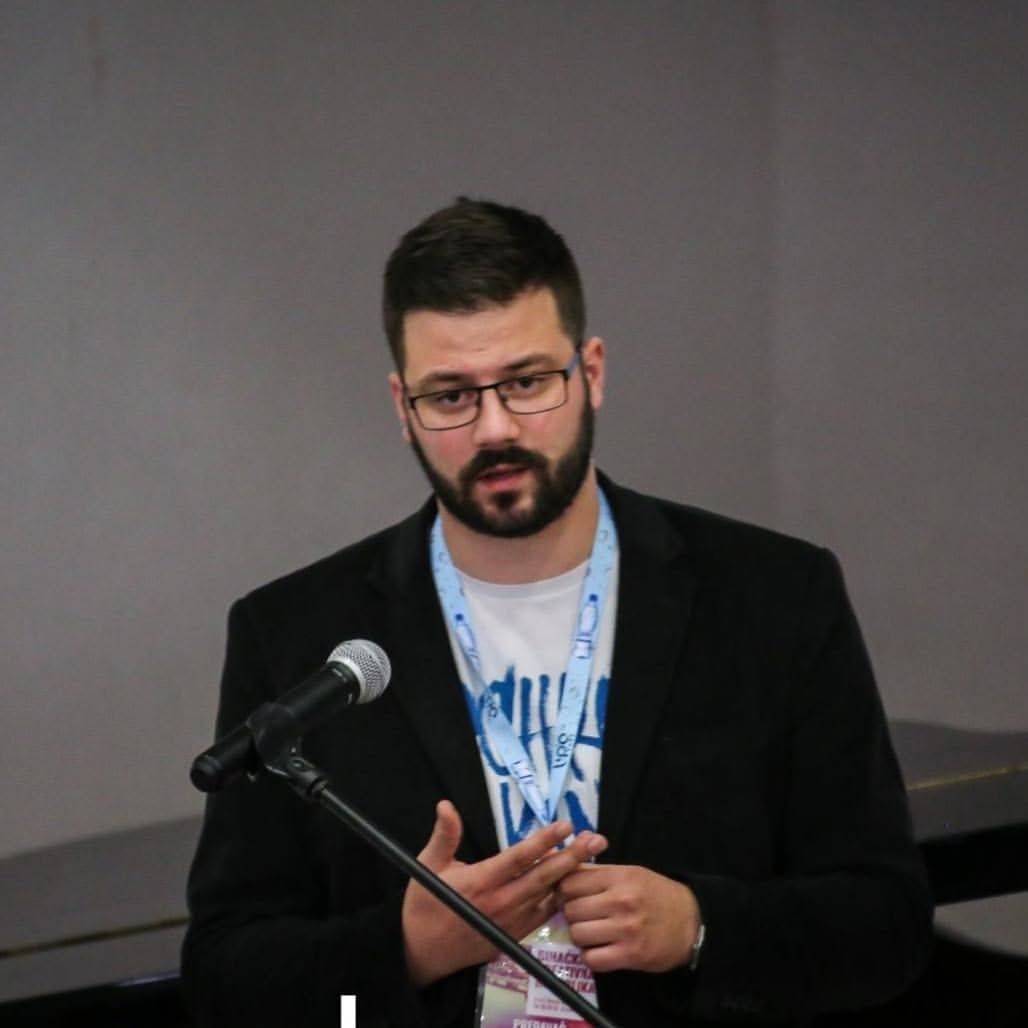
I've spoken at conferences, won international awards for logo design, and I sit on the jury at a handful of design and advertising festivals on a regular basis. I'm not listing this to impress anyone, plenty of people with awards make forgettable work, and plenty of people without any make brilliant work. I'm listing it because it's proof I'm not the only one who thinks the way I work holds up outside my own head.
Sitting on those juries, and talking to younger designers all the time, taught me something simple: a finished piece beats a perfect one that never ships. A lot of genuinely great ideas die simply because nobody pushed them across the finish line.
Design was never just decoration for me, it's the tool I use to build strategies that actually move a business forward, not just ones that look good in a meeting. Most of what I believe about design is already on the homepage, in the section where you can switch principles on and off: restraint over decoration, structure over trend, something that still makes sense in five years instead of something that photographs well for one week.
I'll say the unpopular part too, most rebrands fail not because the designer lacked taste, but because nobody in the room was willing to say no to a bad idea from someone senior. I don't have that problem. If your favorite idea is the weakest one on the table, I'll tell you, and I'll tell you why.
And if you've made it this far and you're tired of reading about me, fair enough, I'd probably rather be looking at the work too.